
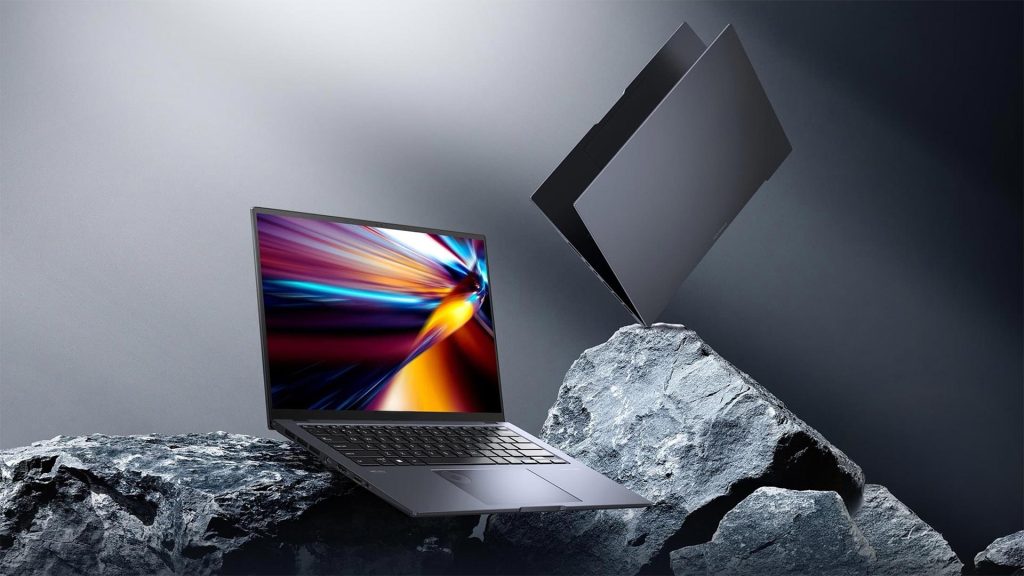
In today’s fast-paced tech world, choosing the ideal computer requires a deep understanding of your personal and professional needs. When buying a computer, users often face a pivotal question: Is speed more important than intelligence? In other words, should you focus on the power of the processor and speed of performance, or think about intelligence and the ability to complete tasks efficiently?
This question goes beyond just technical specifications; it reflects how we use technology in our daily lives. In this article, we will explore the difference between speed and intelligence in computers, and evaluate which one should take priority when choosing your ideal device.
What is Speed and Intelligence in Computers?
- Speed: Speed is usually measured by specifications like:
- Processor Frequency (CPU): Measured in GHz, indicating the speed of executing commands.
- RAM: Affects the speed of multitasking.
- Storage Unit (SSD vs. HDD): SSDs are faster in reading and writing data compared to HDDs, improving overall performance.
- Intelligence: Intelligence relates to a computer’s ability to adapt to various tasks and execute them efficiently. It includes:
- Multi-core processors: For handling complex tasks.
- Artificial Intelligence (AI): Such as machine learning techniques to enhance performance.
- Power management: Smart resource usage to save energy and improve performance.
Is Speed More Important?
- Importance of Speed in Daily Tasks
Speed plays a key role in daily tasks like:- Opening apps quickly.
- Smooth internet browsing with a powerful processor and sufficient memory.
- Fast file downloads, saving valuable time.
- Conclusion: If you use your computer for office work, studying, or basic entertainment, speed is crucial. A computer with good RAM and a fast processor ensures a smooth experience.
- Gaming and Heavy Software Performance
Speed is vital for gamers or those working with video editing or design software.- A powerful processor like Intel Core i9 or AMD Ryzen 9 offers superior performance for modern games or demanding software.
- Advanced graphics cards (GPU) significantly enhance gaming or 3D design performance, providing smoother, more realistic experiences.
- Conclusion: For video gamers or professionals in fields like video editing or design, speed is essential.
- Future Upgrades
Fast devices provide a solid foundation for future upgrades. If you have a strong processor and memory, you can easily upgrade your system later, such as adding more RAM or replacing your SSD with a larger one.
Is Intelligence More Important?
- Multitasking Management
Intelligence lies in the computer’s ability to manage multiple tasks efficiently without user intervention.- A multi-core processor can handle multiple heavy applications at once without impacting overall performance.
- AI algorithms improve performance based on usage patterns, making the device more efficient in handling various apps.
- Adaptability to Needs
Intelligent computers can adapt to your needs. For example:- Voice and image recognition programs enhance device interaction naturally.
- Some devices optimize battery consumption based on running apps, extending battery life.
- Long-term Reliability
Smart devices may not always be the fastest, but they are often the most reliable in the long term because they focus on smart resource usage.
The Real Difference Between Speed and Intelligence
- Immediate Interaction
- Speed: Affects the immediate response of the device, such as when opening an app or moving files.
- Intelligence: Shows its effect in complex tasks or processes requiring deeper thinking, like data analysis or image editing.
- Sustainability
- Fast devices: Tend to consume more resources, leading to higher heat and shorter battery life.
- Smart devices: Improve resource efficiency, leading to longer battery life and reduced wear.
- Usage Areas
- Speed: Suitable for users needing immediate, fast performance for everyday tasks.
- Intelligence: Suitable for those handling complex tasks that require advanced data processing and machine learning.
How to Choose Your Ideal Computer?
- Determine Your Needs
Before buying, ask yourself:- Do you need a device for office work and browsing? Speed will suffice.
- Do you work in design or programming? Intelligence should be the priority.
- Look for Balance
The best choice for most users is a device that balances speed and intelligence.- A mid-range processor like Intel Core i5 or Ryzen 5.
- 8-16 GB RAM.
- SSD storage.
- Plan for the Future
Choose a device that can be upgraded to meet your future needs.- Upgrading RAM or expanding storage will ensure your device lasts longer.
The Evolution of Technology: What’s Next?
Shortly, we expect speed and intelligence to merge more seamlessly in computers. Advances in AI and deep learning technologies will make devices both faster and smarter, enhancing their efficiency in handling various tasks.
Conclusion: Which is More Important – Speed or Intelligence?
The answer depends on your needs:
- If you’re looking for fast performance in daily tasks or gaming, speed is key.
- If you need a device capable of adapting to complex tasks and managing resources efficiently, intelligence should take priority.
The ideal computer balances both elements, focusing on the aspects that best serve your needs. Remember, technology should work for you, not the other way around.
