
Introduction:
In the modern business landscape, digital transformation has become a key driver of success and sustainability. Organizations worldwide are rapidly adopting advanced technologies to enhance productivity, streamline operations, and deliver superior customer experiences. At the core of this transformation lies network infrastructure, which serves as the digital backbone connecting people, devices, and systems. Among the most critical components of this infrastructure are network devices, which play a pivotal role in enabling communication, data transfer, and secure connectivity within organizations.
This article explores the importance of network devices, their types, and how they contribute to digital transformation across industries.
1. Understanding Network Devices
Network devices are the hardware components that connect different parts of a computer network, enabling data transmission, resource sharing, and internet connectivity. These devices ensure that communication between users, systems, and applications is seamless, secure, and efficient. Without them, the digital ecosystem would not function effectively.
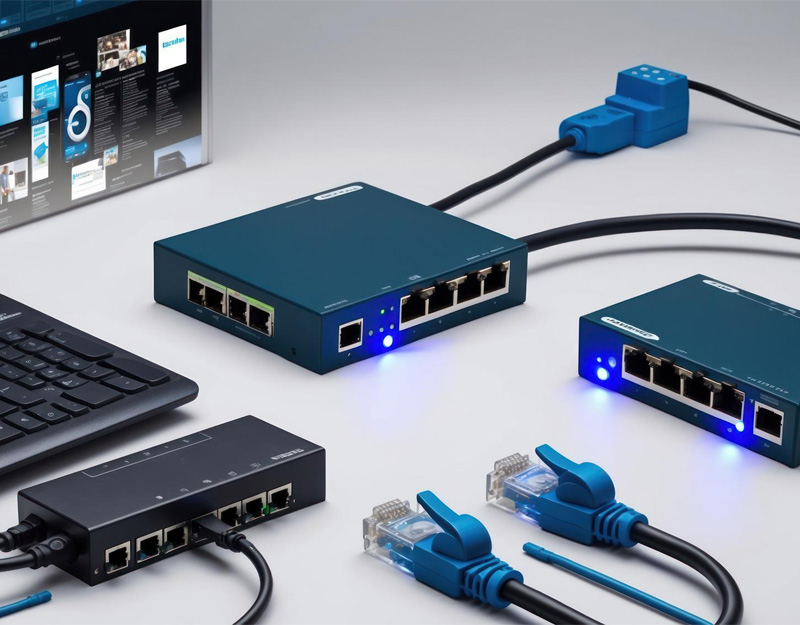
The main types of network devices include routers, switches, firewalls, access points, modems, and network controllers. Each serves a unique function but works together to maintain reliable network performance.
2. Key Types of Network Devices
a. Routers
Routers are devices that connect multiple networks and direct data traffic between them. In enterprises, routers link local networks (LANs) to external networks (such as the internet). Modern routers use advanced algorithms and protocols to ensure that data packets reach their destination through the most efficient path. They also support Virtual Private Networks (VPNs), ensuring secure communication between remote teams—a critical need in today’s hybrid work environments.
b. Switches
Switches operate within local networks and manage communication between connected devices, such as computers, printers, and servers. Unlike hubs, which broadcast data to all devices, switches send information only to the intended recipient, improving network efficiency and reducing congestion. Managed switches allow IT administrators to monitor, configure, and optimize traffic, enhancing network performance and security.
c. Firewalls
Firewalls are essential security devices that monitor and control incoming and outgoing network traffic based on predefined security rules. They act as barriers between trusted internal networks and potentially harmful external sources. Modern firewalls—often called Next-Generation Firewalls (NGFWs)—provide advanced features such as deep packet inspection, intrusion prevention, and application awareness, which are crucial for protecting organizations against cyber threats.
d. Wireless Access Points (WAPs)
Access points enable wireless connectivity within an organization. They allow users to connect to the network via Wi-Fi, facilitating mobility and flexibility in workplaces. Advanced access points support multiple frequencies, seamless roaming, and centralized management, ensuring stable connections for large numbers of devices—particularly important in smart offices and campuses.
e. Network Controllers
Network controllers manage and automate network operations. Through centralized dashboards, they allow IT teams to configure, monitor, and optimize network performance in real time. As networks become more complex with the rise of IoT (Internet of Things) and cloud services, network controllers play a crucial role in ensuring efficiency and scalability.
3. The Role of Network Devices in Digital Transformation
Digital transformation involves integrating digital technologies into all areas of a business, fundamentally changing how it operates and delivers value to customers. Network devices are the foundation of this transformation. Their role can be categorized into the following key areas:
a. Enabling Seamless Connectivity
Reliable connectivity is the cornerstone of digital transformation. Network devices ensure that data flows smoothly between departments, branches, and cloud services. High-speed routers and switches provide the necessary infrastructure for real-time communication, video conferencing, and collaboration tools, which are essential for agile and modern workplaces.
b. Supporting Cloud and Remote Operations
With the rise of cloud computing, organizations increasingly rely on external servers for storage and applications. Network devices like routers, firewalls, and VPNs enable secure and efficient access to these cloud environments. They also allow remote employees to connect safely to internal systems, making flexible work arrangements possible without compromising security.
c. Enhancing Security and Compliance
Cybersecurity has become a top priority in the digital era. Firewalls, intrusion prevention systems (IPS), and secure switches protect corporate data from unauthorized access and cyberattacks. In addition, network monitoring tools help detect anomalies in real time, ensuring compliance with regulations such as GDPR or ISO 27001.
d. Facilitating Internet of Things (IoT) Integration
The growth of IoT has introduced thousands of connected devices—from sensors to smart machines—into enterprise networks. Switches, routers, and access points designed for IoT ensure that these devices can communicate reliably and securely. Network segmentation and traffic prioritization help prevent congestion and maintain performance even as the number of connected devices grows.
e. Driving Data-Driven Decision Making
Modern network devices generate large amounts of data about performance, traffic, and user behavior. Analyzing this data allows organizations to make informed decisions about resource allocation, performance optimization, and customer experience improvements. Network analytics tools integrated with controllers provide insights that drive continuous improvement.
4. How Network Modernization Supports Digital Transformation
To fully realize the benefits of digital transformation, organizations must modernize their network infrastructure. Legacy systems often lack the speed, capacity, and security features needed for today’s digital workloads.
Modern networks are:
-
Software-Defined (SDN): Allowing centralized, automated control of network traffic.
-
Cloud-Integrated: Supporting hybrid and multi-cloud environments.
-
Secure by Design: Incorporating advanced security at every layer.
-
Scalable: Easily adapting to growth in users, data, and applications.
By upgrading routers, switches, and access points to support these modern architectures, companies can increase agility, reduce downtime, and improve user experience.
5. The Strategic Impact of Network Devices on Business Operations
A strong network infrastructure does more than enable connectivity—it drives strategic advantages such as:
-
Operational Efficiency: Automated and optimized networks reduce manual work and downtime.
-
Customer Experience: Faster, more reliable connections enhance service delivery and satisfaction.
-
Innovation: Scalable and flexible networks enable rapid deployment of new technologies and services.
-
Resilience: Advanced network monitoring and redundancy systems minimize disruptions.
For example, in sectors like healthcare, financial services, and education, network devices enable telemedicine, digital banking, and online learning—all critical aspects of the modern digital ecosystem.
6. Challenges and Considerations
While network devices are essential, organizations face several challenges in implementing and maintaining them effectively:
-
Integration Complexity: Managing different devices and vendors can be difficult without a unified strategy.
-
Security Risks: As connectivity expands, so does the attack surface.
-
Cost and Scalability: Upgrading infrastructure requires investment and planning.
-
Skill Gaps: IT teams need ongoing training to manage modern, software-defined networks.
To overcome these challenges, companies should adopt a strategic network management approach—combining automation, continuous monitoring, and collaboration with trusted technology partners.
7. The Future of Network Devices in the Digital Era
Looking ahead, the evolution of network devices will continue to shape digital transformation. Emerging technologies such as 5G, artificial intelligence (AI), and edge computing are redefining how data is processed and transmitted.
Future network devices will feature:
-
AI-driven management for predictive maintenance and performance optimization.
-
5G-enabled routers and access points for ultra-fast, low-latency communication.
-
Edge networking that processes data closer to the source, reducing delays.
-
Zero Trust security models, ensuring that every user and device is verified continuously.
Organizations that invest early in these technologies will gain a competitive advantage in agility, efficiency, and innovation.
Conclusion
Network devices are far more than technical tools—they are strategic enablers of digital transformation. By connecting systems, securing data, and powering cloud and IoT solutions, they lay the foundation for a connected, intelligent, and agile enterprise.
As businesses continue their journey toward digital excellence, modernizing network infrastructure and leveraging advanced network devices will be key to achieving long-term success.
Whether it’s routers that ensure seamless communication, firewalls that protect digital assets, or access points that empower mobile workforces—network devices remain the invisible heroes behind every successful digital transformation.
