
Introduction
With rapid technological advancements, our daily lives are increasingly connected to wireless solutions that offer convenience and efficiency. Among these innovations, wireless charging stands out as a game-changer, reshaping how we interact with electronic devices. Instead of relying on traditional cables, wireless charging allows users to power their devices effortlessly without directly connecting them to electrical outlets. But can wireless charging fully replace wired charging? Will the future be completely cable-free? That’s what we’ll explore in this article.
What Is Wireless Charging?
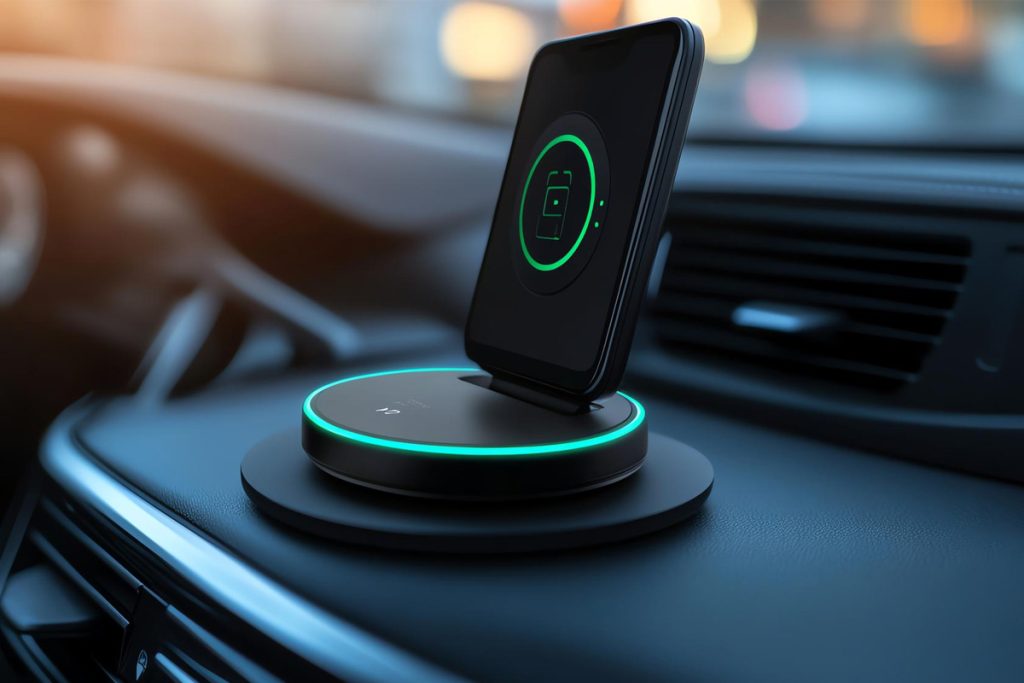
Wireless charging is a technology that transfers electrical energy between two devices without the need for physical cables. It typically relies on electromagnetic induction or magnetic resonance to transmit energy from the charging station to the receiving device.
Types of Wireless Charging Technologies:
-
Inductive Charging: Uses two coils—one in the charger and one in the receiving device—where energy is transferred through a magnetic field. Commonly used in smartphones and smartwatches.
-
Resonant Charging: Enables energy transfer over greater distances and with higher efficiency by syncing the frequencies of the charger and the device.
-
RF (Radio Frequency) Charging: Uses radio waves to deliver energy, allowing for remote charging. Still under development for widespread use.
Benefits of Wireless Charging
-
Convenience and Ease of Use
-
No more plugging and unplugging cables.
-
Devices can be charged simply by placing them on a charging pad—no need for perfect alignment.
-
-
Reduced Wear and Tear
-
Fewer ports used means longer device lifespan.
-
Devices like phones and smartwatches benefit from having no moving parts involved in charging.
-
-
Less Clutter and Cable Management
-
No more tangled wires or buying separate cables for every device.
-
Keeps homes and workspaces neat and organized.
-
-
Improved Water and Dust Resistance
-
Removing charging ports makes devices more resistant to water and dust.
-
Enhances device durability, especially in humid or dusty environments like factories or coastal areas.
-
-
Multi-Device Charging
-
Charging stations can power several devices simultaneously—phones, watches, earbuds—offering practical convenience.
-
-
Integration with Smart Furniture and Future Tech
-
Companies are embedding wireless charging in tables, desks, and cars.
-
In the future, it may be available in public spaces like cafés, airports, or roads to charge electric vehicles while driving.
-
-
Promotes Sustainability and Reduces E-Waste
-
Less dependence on cables reduces electronic waste.
-
Some companies are developing wireless charging solutions powered by clean energy.
-
-
Support for Remote Charging Technologies
-
Devices may be charged while in use, without needing to be placed on a pad.
-
This could revolutionize mobile technology by eliminating the daily need for manual charging.
-
Challenges Facing Wireless Charging
-
Lower Efficiency
-
Wireless charging currently loses more energy than wired charging.
-
Solution: Technologies like magnetic resonance are being improved to reduce energy loss.
-
-
Slower Charging Speeds
-
Inductive charging is generally slower than wired alternatives.
-
Solution: Development of faster wireless charging technologies is underway.
-
-
High Costs
-
Wireless charging stations are still pricier than traditional chargers.
-
Solution: As adoption increases, costs are expected to drop over time.
-
-
Limited Range
-
Devices must be close to the charger to receive power effectively.
-
Solution: Companies are working on long-range charging via RF and over-the-air solutions.
-
-
Device Compatibility
-
Not all devices support wireless charging, and standards vary.
-
Solution: More companies are adopting universal standards like Qi to ensure cross-device compatibility.
-
The Future of Wireless Charging
Wireless charging is rapidly evolving, fueled by technological progress and rising demand for more efficient and convenient power solutions. Key future trends include:
-
Over-the-Air Charging
-
Devices may charge automatically when within range, no pad needed.
-
Companies like Energous (“WattUp”) and Xiaomi (“Mi Air Charge”) are pioneering this tech.
-
-
Ultra-Fast Wireless Charging
-
Future wireless charging may exceed 100W, rivaling or surpassing wired charging speeds.
-
Giants like Qualcomm and Samsung are actively developing these solutions.
-
-
Wireless Charging for Electric Vehicles and Appliances
-
Tesla and BMW are creating wireless EV charging platforms.
-
Wireless tech will be embedded in furniture, enabling seamless charging for home and office devices.
-
-
Integration with Smart Cities and IoT
-
Wireless charging infrastructure will appear in airports, cafés, and public roads.
-
IoT devices like sensors and cameras will charge wirelessly, eliminating battery swaps.
-
-
Improved Energy Efficiency
-
Advancements in magnetic resonance and energy transfer tech will reduce energy waste, making wireless charging more sustainable.
-
Will the Future Be Cable-Free?
With ongoing advancements, wired charging may become obsolete in the next decade. However, until wireless charging matches or exceeds wired charging in speed, cost, and efficiency, cables will still play a key role—especially in high-performance scenarios.
Conclusion
Wireless charging represents a major leap toward a more convenient and streamlined future. Although it still faces hurdles before becoming a full replacement for wired charging, continuous innovation and improved efficiency suggest a future where cables might no longer be essential. Until then, both methods will likely coexist, each serving its own purpose in our daily lives.
