
Introduction
In today’s business environment, which increasingly depends on technology, technical equipment of all kinds—from computers and electronic systems to advanced industrial machinery—has become an integral part of the success and continuity of any organization. However, no matter how efficient these devices are, they remain susceptible to malfunctions or deterioration over time.
This is where the importance of preventive maintenance emerges as a key strategy to maintain equipment efficiency and ensure uninterrupted operations. Instead of waiting for a failure to occur and then repairing it, smart organizations adopt a proactive approach aimed at preventing problems before they happen through periodic inspections, cleaning, continuous monitoring, and regular updates of devices and systems.
Preventive maintenance is not merely a technical procedure—it is a long-term investment that reduces operational costs, extends equipment lifespan, increases productivity, and protects the organization’s reputation among clients and partners.
1. What Is Preventive Maintenance?
Preventive maintenance is a systematic process designed to maintain the performance of equipment and machinery at optimal levels through pre-planned actions.
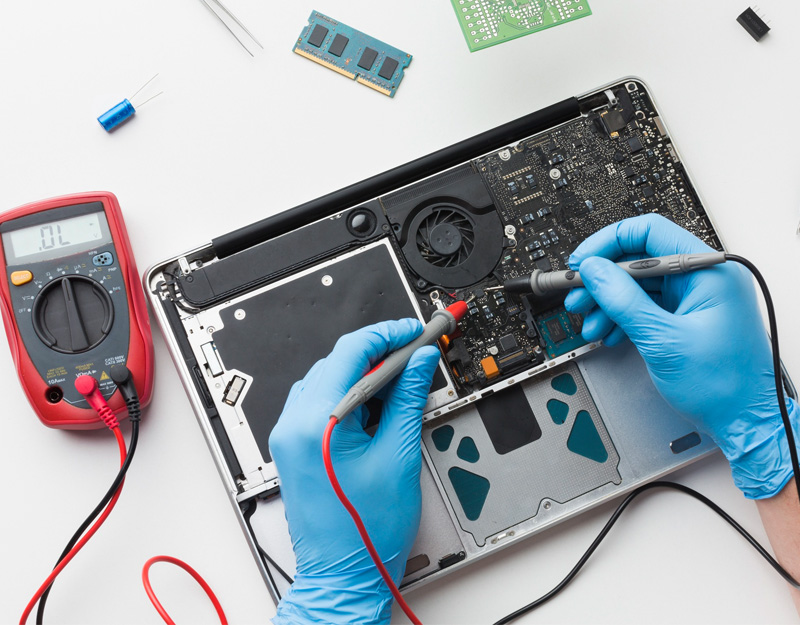
These actions include regular inspection of components, replacing worn-out parts before they fail, cleaning devices to prevent dust buildup, and periodically updating software and operating systems.
The main goal of preventive maintenance is to prevent unexpected breakdowns that could cause work stoppages, data loss, or production disruptions—all of which can negatively impact the company’s reputation and profitability.
2. Preventive Maintenance vs. Corrective Maintenance
Many people confuse preventive maintenance with corrective maintenance, although the difference between them is significant.
Preventive maintenance relies on planned and regular inspections, while corrective maintenance occurs after a failure happens.
Corrective maintenance addresses immediate issues but is typically more costly since it happens unexpectedly and may cause downtime and productivity loss.
On the other hand, preventive maintenance reduces the likelihood of sudden failures and allows the organization to control expenses by distributing them in a predictable, planned manner.
3. The Importance of Preventive Maintenance in Modern Work Environments
Preventive maintenance is one of the pillars of business sustainability in the digital era. It not only preserves equipment but ensures the continuity of the entire organization. Its importance can be summarized as follows:
-
Ensures Operational Continuity:
Sudden equipment failure can lead to partial or total disruption of operations, especially in critical sectors like industry, banking, healthcare, and technology. Preventive maintenance ensures smooth, uninterrupted workflows. -
Reduces Operational Costs:
Emergency repairs are far more expensive than routine maintenance. Unexpected failures may require costly spare parts or emergency technician callouts, increasing expenses. -
Extends Equipment Lifespan:
Regularly maintained devices last longer and perform more efficiently. Actions like cleaning, lubrication, and software updates prevent wear and delay replacement needs. -
Enhances Performance and Productivity:
Well-maintained equipment performs tasks faster and more effectively, boosting employee productivity and service or product quality. -
Improves Workplace Safety:
Sudden breakdowns can create safety hazards. Preventive maintenance minimizes these risks by ensuring all systems operate under proper safety standards. -
Protects Company Reputation:
Frequent service interruptions erode customer trust. Ensuring reliability strengthens the company’s credibility and market image.
4. Types of Preventive Maintenance
Though the core concept is the same, preventive maintenance comes in several forms depending on the equipment and work environment:
-
Scheduled Maintenance:
Conducted at predetermined intervals (weekly, monthly, or yearly), involving inspection, cleaning, and part replacement—even if no damage is apparent. -
Predictive Maintenance:
Relies on data analysis using sensors or advanced software to monitor performance in real-time. When data shows performance decline, action is taken before a breakdown occurs. Common in advanced industries using IoT and AI technologies. -
Condition-Based Maintenance:
Triggered only when performance indicators suggest a need for intervention—such as overheating, slow response, or unusual noises. -
Seasonal Maintenance:
Performed on equipment affected by environmental conditions, such as HVAC systems or outdoor devices exposed to weather elements.
5. Implementing an Effective Preventive Maintenance Program
A successful maintenance program requires strong management and structured planning. Key steps include:
-
Inventory of Assets:
Create a detailed list of all equipment, including their locations, functions, and maintenance histories. -
Prioritization:
Identify critical devices whose failure would significantly impact operations and assign them top priority. -
Scheduling:
Set maintenance intervals based on usage intensity and operating conditions. -
Qualified Maintenance Team:
Employ or contract trained technicians capable of handling various equipment types promptly and accurately. -
Use of Maintenance Management Systems (CMMS):
These tools organize schedules, track tasks, and document procedures, reducing manual errors and improving planning. -
Document Every Maintenance Activity:
Record details of each inspection or repair—date, findings, replaced parts—to analyze recurring issues and optimize performance. -
Regular Plan Review:
Periodically evaluate and adjust the plan based on outcomes and new insights.
6. Economic Benefits of Preventive Maintenance
Preventive maintenance yields clear financial and strategic advantages:
-
Reduces Unexpected Costs:
Continuous monitoring prevents emergencies that require costly repairs. -
Improves Return on Investment (ROI):
Every dollar spent on maintenance pays back multiple times through stability, fewer breakdowns, and longer equipment life. -
Enhances Energy Efficiency:
Efficient machines consume less power, cutting utility bills and supporting environmental sustainability. -
Boosts Productivity:
Reliable equipment allows employees to work uninterrupted, improving overall output and quality. -
Preserves Asset Value:
Properly maintained equipment retains its market value, benefiting resale or replacement decisions.
7. Challenges in Implementing Preventive Maintenance
Despite its advantages, many organizations face challenges such as:
-
Limited budgets
-
Lack of management awareness
-
Shortage of skilled technicians
-
Absence of digital tracking systems
-
Resistance to change among staff
8. Overcoming Challenges and Ensuring Success
To ensure success, organizations should:
-
Integrate preventive maintenance into strategic plans and daily culture.
-
Allocate a dedicated annual maintenance budget.
-
Use advanced technologies like AI and IoT for real-time monitoring.
-
Invest in continuous technical training.
-
Regularly evaluate performance using measurable indicators.
Conclusion
Preventive maintenance is not a secondary option—it’s a cornerstone of modern business management. It protects equipment, ensures operational continuity, and enhances overall performance.
Investing in preventive maintenance means investing in stability, trust, and sustainability—stability of operations, customer trust, and long-term success.
Every device maintained on time is a step toward greater efficiency, reliability, and business growth. Organizations that prioritize preventive maintenance secure a competitive advantage and build safer, smarter, and more sustainable workplaces.
